For a life story — or for thirty years of work
Book Builder reads whatever you've kept — notes, slides, letters, photos, a voice memo from the car — and then asks you about the rest. The parts you've never written down, only ever said out loud. You talk; it listens; it hands back a real, editable, typeset book.
No card. Write your opening chapters free, from your own material, and read them in the app; exporting the finished file comes with a paid plan. Your sources stay yours.
You have said it a hundred times, to a hundred people, and never once written it down. That is where the book was hiding all along — in the sentence you reach for when someone finally wants to know.
How it works
Four moves, and none of them is "sit down and write". The first draft takes minutes; the version you'd put your name on takes an afternoon.
Notes, slides, letters, photos, a voice memo from the car, half a chapter you started years ago. Even a little is enough to begin. Text is pulled out the moment it lands.
The best parts of your book aren't in any file — they're the things you only ever say out loud. A voice asks; you answer; what you said becomes a source like any other.
Title, author, language, audience, target pages, paper size. Say “keep it warm”, “for my grandchildren” or “for practitioners” and it holds that register.
Change any sentence that isn't yours yet, on the page, without regenerating the book around it.
The difference
Most books never get started, and it's almost never for lack of something to say. It's the blank page. Book Builder doesn't give you one — it asks you questions instead.
Pick a voice — warm, sharp, rigorous, gentle — and talk for ten minutes. Ramble if you like; it's good at rambling. Stop whenever, come back whenever. What you said becomes the chapter you were never going to get around to.
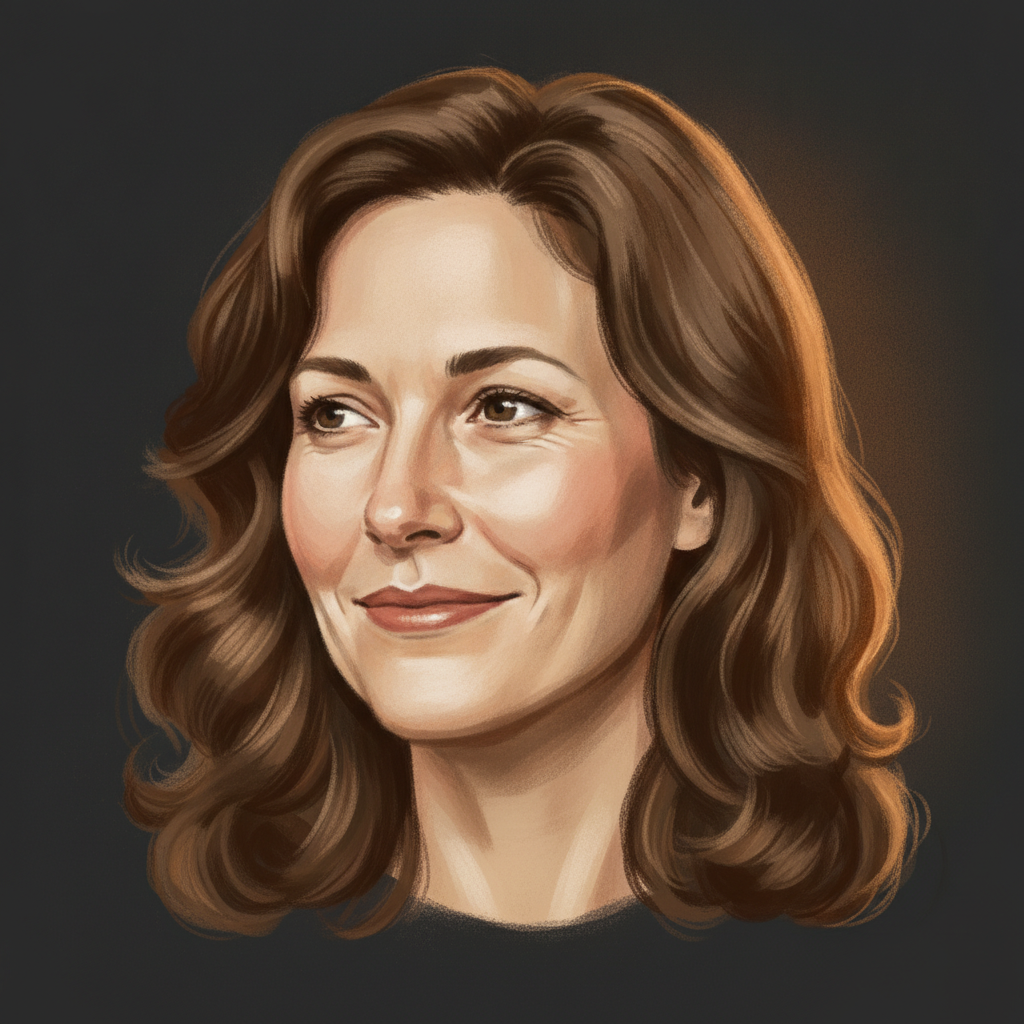
IrisWarm & personal — draws out the story and how it felt.
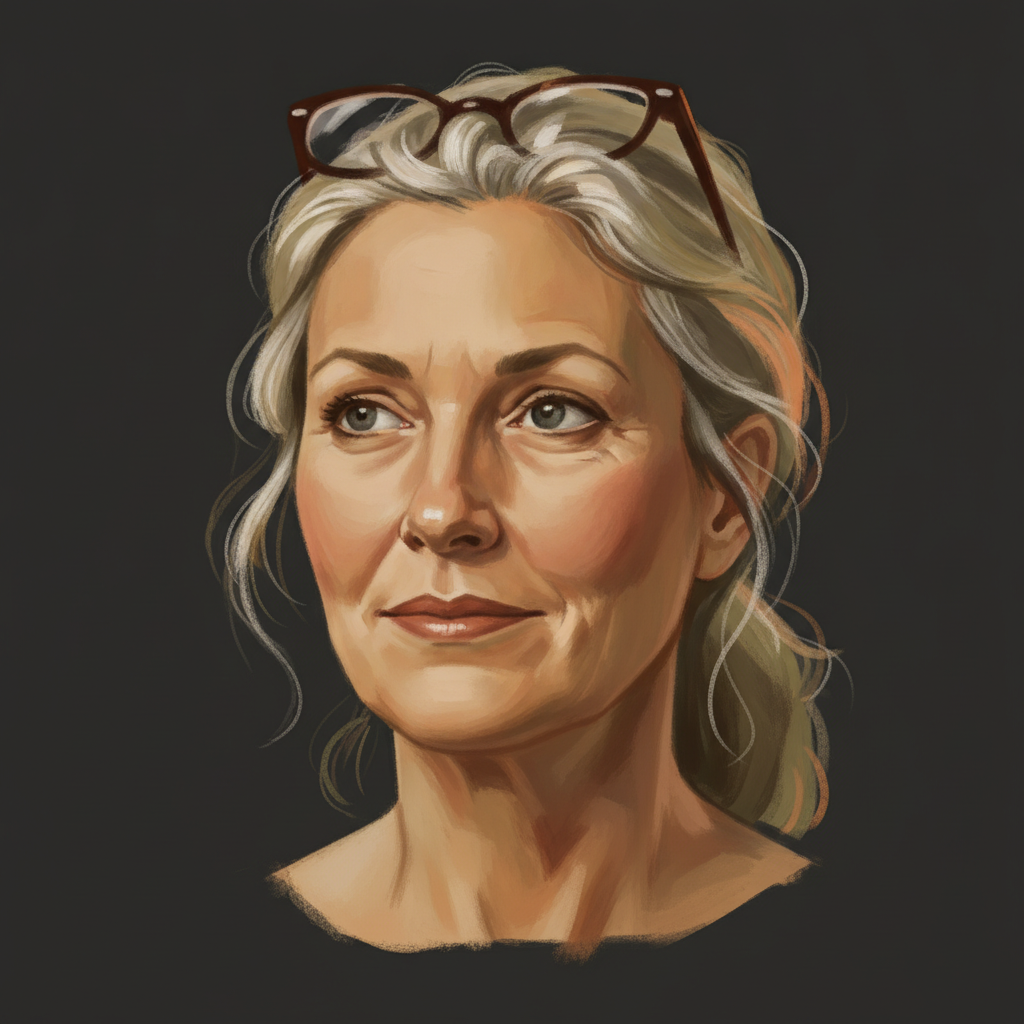
MaraRigorous editor — stress-tests every claim, kindly.

DexSharp & factual — pins down what actually happened.
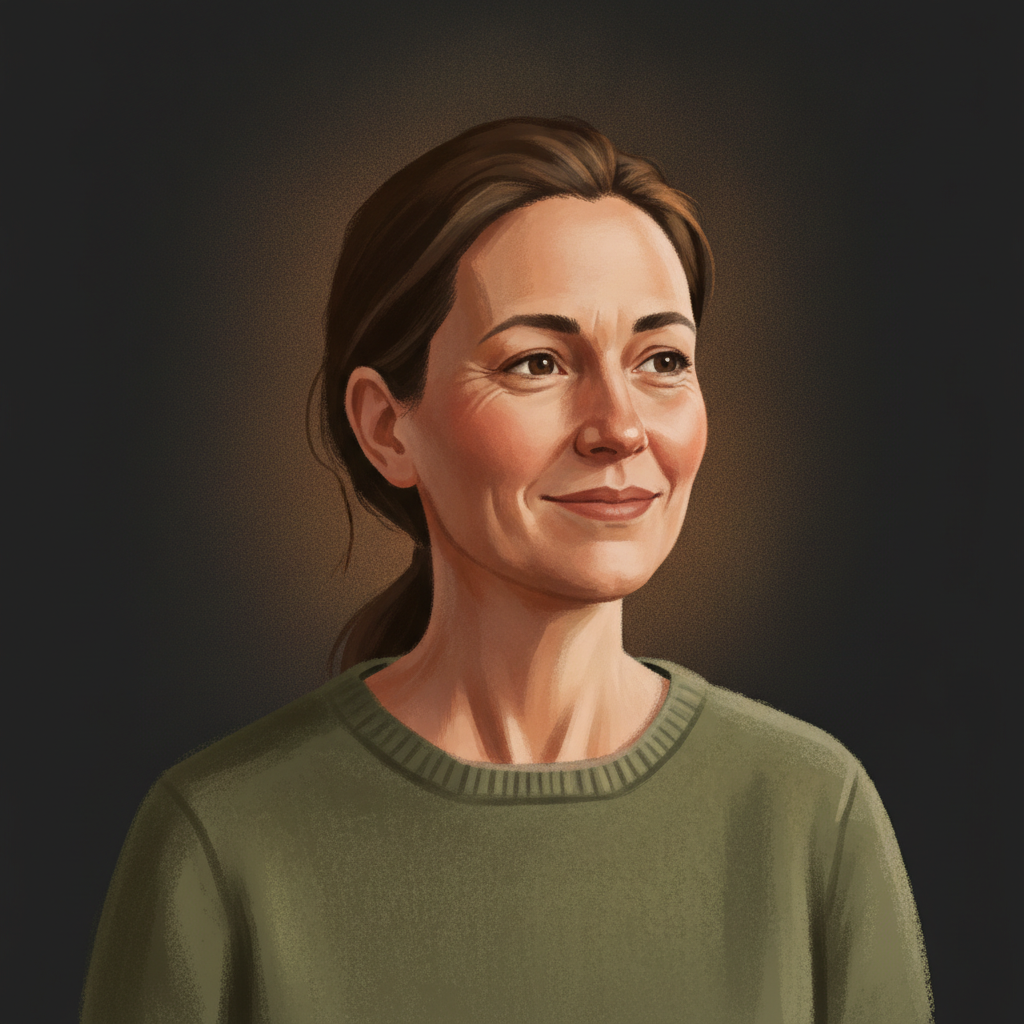
SolGentle & encouraging — a safe space for nervous authors.In the workspace

Highlight any passage on the page, say what's wrong with it, and only that passage changes. No regenerating the book to fix a sentence.
Ask what's actually in those forty pages you uploaded, which chapter is still thin, what contradicts what. It answers from your own material, and it can change the book for you.
Real structure, not one long scroll. Reorder, split a page, insert a chapter, retitle — page numbers follow.
Bring your own images, or generate one that matches the book's tone — placed on the page, not bolted on the end.
Pocket 5×8″ and up, laid out to the actual page. Export a PDF you can hand to a printer — or an InDesign file for a designer.
Languages
Pick the language when you set up the book and everything is written in it from the start — the chapters, the assistant, the interview, the headings on the page. Nothing is drafted in English and translated afterwards, which is what makes translated books read like translated books.
Your sources can be in any of them, or several at once: Swedish notes and an English report still come out as one Swedish book. E-readers are told which language it is, so a Kindle hyphenates and reads it aloud correctly.
The page
Warm paper, a proper measure, real italics, drop caps, hyphenated justification. You are writing on a page, not in a text box.
My father kept the ledgers in a drawer he never locked, and for thirty years the numbers in them went one way. Then one January they didn't, and nobody at the table said a word about it for a month.
"We were all waiting for it to be somebody's fault."
It wasn't. That is the part I have never managed to explain properly at dinner, and the part this chapter is really about.
Your material
Uploads and everything written from them belong to your account. No other user can see them, and nothing you upload is published or shared.
Your text is sent to the AI that writes the chapters — Anthropic for words, Google for generated images — for the sole purpose of producing your book. It isn't sold, and it isn't shown to anyone else.
Delete any uploaded file from the sources list and the file itself goes with it. Want the whole account and everything in it gone? Ask, and it's done.
Payment runs through Stripe. Card details go straight to them — this server never sees or stores a card number.
When it's finished
Every author gets an address — bookbuilder.se/@yourname — with your photo, your bio and the books you've chosen to publish. Send the link to anyone: no app to install, no account for the person reading.
Publishing freezes an edition: the text as it stood that day. Keep editing afterwards without the page changing under a reader mid-chapter — publish an update when you're ready.
Writes from Sundsvall. A winter novel, her grandmother’s recipes, and a war she spent ten years reading about.


If you want to sell it
The same page readers already read on can take payment. You set the price; they buy the book and download it. No ISBN, no distributor, no one taking a cut for shelf space that doesn't exist.
No account to make, no app to install — an email address and a card. They get the EPUB and the PDF, and every later edition you publish, free.
Not a band you have to price inside to qualify for. Whatever a reader pays, 85% of it is recorded as yours at the moment of the sale — changing the rate later can't reach back and change what you're already owed.
Stripe collects your bank details and verifies who you are; Book Builder never sees your bank account. A sale clears 30 days after it's made — the window in which a reader can ask for a refund — and anything cleared is yours to withdraw.
Selling is available on any paid plan, and an Earnings page shows what each book has sold, what has cleared, and what is on its way to you.
Pricing
Cancel any time. Everything you make stays yours — a paid plan is what lets you take the finished file away.
See whether there's a book in there at all.
For the book you actually finish and share.
When one book turns into a shelf.
If a month’s allowance runs out, only the assistant pauses. Your book stays open and editable, your exports still download, your published page stays up — a spend limit should never lock you out of your own manuscript.
Questions
Will it read like AI wrote it?
It writes from your sources, in the register you ask for, and it says so when a section is thin rather than inventing filler. Then you rewrite anything that isn't yours yet, sentence by sentence, on the page.
Do I have to be a writer, or have anything written down?
Neither. If you can tell someone about it across a kitchen table, you can make this book — that's the whole design. Bring nothing at all and start with the interview: ten minutes of talking is a usable first chapter, three sessions is a short book.
Does it have to be a work book?
Not at all. A life story, a family history, a craft you've spent thirty years getting good at, the thing your children keep asking you about. Expertise and memory work the same way here: you have the material, it helps you shape it.
Who owns the book?
You do — the sources you upload and everything generated from them. On a paid plan you export the finished file whenever you like, in any format, and keep it.
Can I print it properly?
Yes. You choose a trim size before generating and the book is laid out to that page, so the export is a print-ready PDF — or an InDesign file for a designer — rather than a reflowed web document.
What will it cost me?
The free plan writes your opening chapters from your own sources — enough to hear how it reads in your voice, free forever. Paid plans lift the length limit and let you export the finished file. The AI itself runs on credits: your plan includes a monthly allowance, top-ups start at $10 and never expire, and you're only charged for work that actually happened.
You'll have something with your name and a cover on it before you've finished your coffee.